Decorating a home is not about buying the look that is popular this season. It is about building a set of choices you will still enjoy when the trend cycle has moved on — and that is a very different exercise.
We spend our working days inside homes at every stage of renovation, from bare studs to final styling. The interiors that age well are rarely the most expensive ones. They are the ones where the fundamentals were thought through: proportion, light, texture and restraint.
Start with how the room is actually used
Before choosing a fabric or paint colour, describe the room in terms of activity. Where do people sit to read? Where do bags and shoes land? Which wall is where the morning sun arrives? Decor decisions that ignore daily habits create beautiful rooms nobody wants to spend time in.
- Note the traffic paths through the space and keep them clear of furniture
- Identify the natural focal point — a view, a fireplace, a bay window — and work outward from it
- Decide where light needs to be practical rather than decorative
Build a restrained palette, then add character
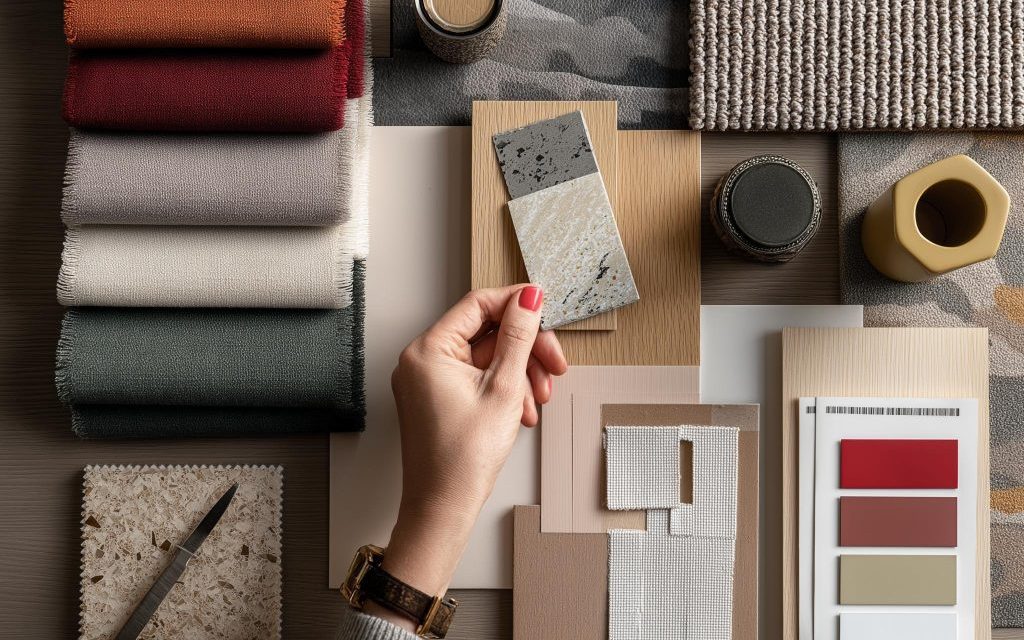
A calm base of related neutrals gives you room to bring personality in through texture, art, timber and metal. This is why so many long-lasting interiors feel quietly layered: the structure is simple and the interest comes from materials and objects rather than competing colours.
Warm off-whites, soft greys, deep olive and muted clay all sit comfortably alongside natural wood. Whatever direction you choose, test samples on the actual walls in daylight and again in evening lighting — paint looks remarkably different on a north-facing wall than on a swatch card.
Invest where you touch, economise where you do not
Budget spread evenly across every item is budget wasted. Prioritise the surfaces in daily contact with your household and let the rest be sensibly modest:
- Worth spending on: seating, mattresses, worktops, door and cabinet hardware, flooring underfoot
- Happily modest: decorative accessories, temporary shelving, seasonal textiles, small accent furniture
Layer your lighting
Nothing dates a room faster than a bright ceiling light placed in the middle of the ceiling. Aim for layers: ambient light to fill the space, task light where you work, and accent light to wash walls or highlight objects. Dimmers on the main circuits give you control over the mood through the day.
If a room feels flat no matter what you do to it, the problem is usually light rather than furniture. Try a floor lamp in a dark corner before you buy another sofa.
Mix what you own with what you choose
Interiors that feel like a showroom are rarely the ones people love. Bring in pieces with history — a inherited chair, travel finds, books, family photographs — and let them sit alongside the new items. That mix is what makes a home feel specific to the people living in it, and it is impossible to buy off a shelf.
Choose materials that survive real life
- Performance fabrics on family seating, close in colour to the surrounding scheme
- Rugs with a flat weave or forgiving pattern in high-traffic areas
- Timber and stone finishes that gain character as they wear rather than looking tatty
- Washable, durable paint finishes in hallways, kitchens and children’s rooms
Edit, then edit again
The final step of decorating is subtraction. Once a room is furnished, live in it for a while, then remove anything that is not earning its space. Fewer, better things — generously spaced — will always look more considered than a crowded room.
Where renovation and decor meet
Some of the changes that make the biggest difference are structural rather than decorative: opening up a cramped layout, adding proper storage, upgrading lighting circuits, replacing tired flooring. That is where our home decor and interior service comes in — we handle the building work and the styling as a combined project, so the finished room actually matches the vision.
If you would like help turning ideas into a plan — and a plan into a finished room — our team would be glad to talk it through with you.